
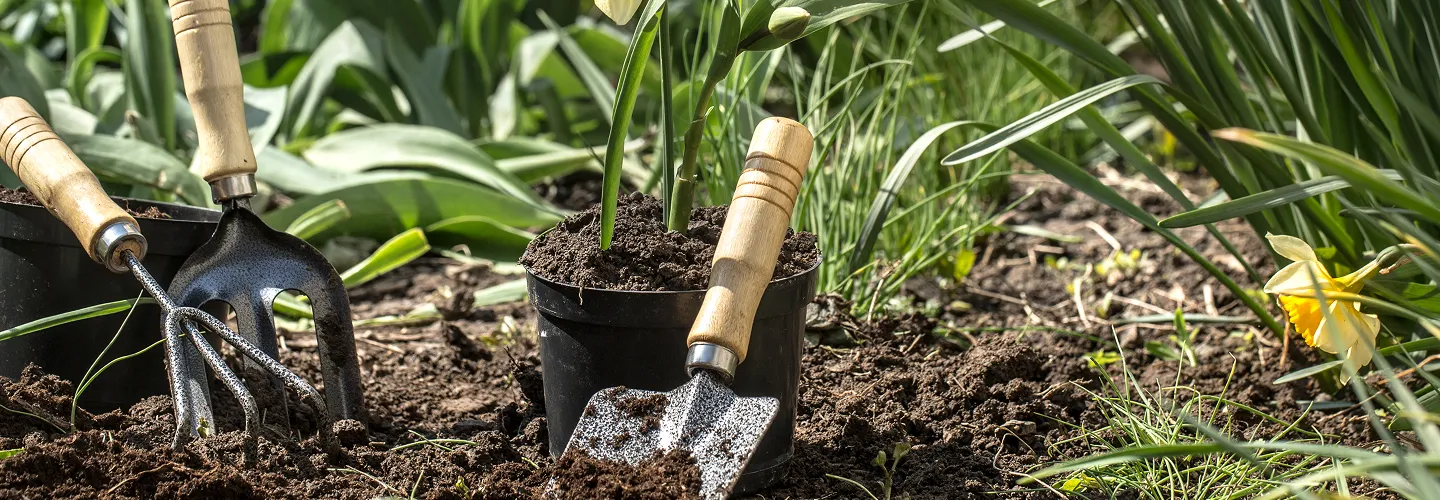
Davisboro Mulching Services
Choose our mulching services for expert application, premium materials, and long-lasting results that enrich your soil, suppress weeds, and boost your property’s curb appeal.
Get a Free QuoteOur Davisboro Landscaping & Yard Care Services
When to Schedule Mulching in Davisboro, Georgia – Seasonal Guide
In Davisboro, Georgia, the best times to schedule mulching are typically in early spring and late fall. These periods align with the region’s moderate temperatures and rainfall patterns, allowing mulch to retain soil moisture and protect plant roots before the intense summer heat or winter frosts set in. The local climate, characterized by humid summers and mild winters, means that timing your mulching service can make a significant difference in landscape health and curb appeal.
Local neighborhoods such as the area around Davisboro City Hall and the historic district near the Ogeechee River often experience unique microclimates. Factors like late spring frosts, occasional drought risk, and varying shade coverage from mature oaks and pines all play a role in determining the optimal mulching schedule. Soil types in Davisboro range from sandy loam to clay, impacting how mulch interacts with your landscape. For more information on local environmental considerations, visit the Sudbury municipal resource.
Local Factors to Consider for Mulching in Davisboro
- Tree density and shade coverage, especially in neighborhoods like Pine Hill
- Terrain slope and drainage, which affect mulch retention
- Seasonal precipitation patterns and drought risk
- Soil type (sandy, loamy, or clay)
- Frost dates and temperature fluctuations
- Municipal restrictions or guidelines on mulch use
- Proximity to landmarks such as Davisboro Park, which may influence microclimates
Benefits of Mulching in Davisboro

Enhanced Soil Moisture Retention
Weed Growth Suppression
Improved Curb Appeal
Temperature Regulation for Plant Roots
Reduced Soil Erosion
Nutrient-Rich Soil Enrichment
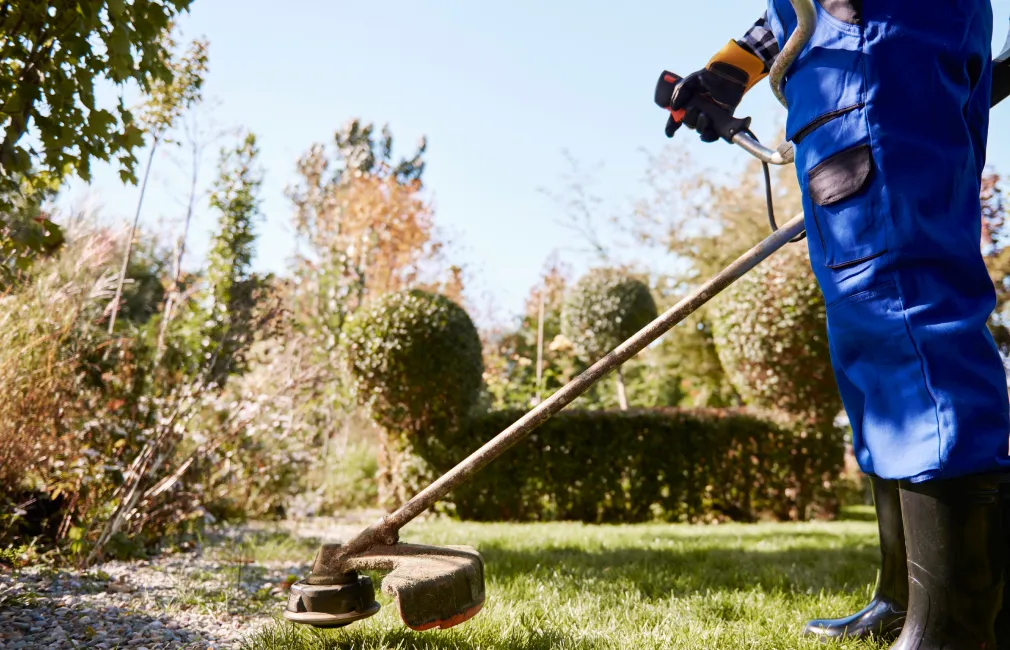
Davisboro Mulching Types

Organic Mulch
-
Inorganic Mulch
-
Wood Chip Mulch
-
Pine Straw Mulch
-
Rubber Mulch
-
Compost Mulch
-
Gravel Mulch
Our Mulching Process
Site Evaluation
Soil Preparation
Mulch Selection
Mulch Application
Final Inspection
Why Choose Davisboro Landscape Services

-
Davisboro Homeowners Trust Us
-
Expert Lawn Maintenance
-
Reliable Scheduling
-
Competitive Pricing
-
Professional Team
-
Satisfaction Guarantee
-
Personalized Service
Davisboro's Sandy Loam Soils and Their Impact on Mulch Selection and Retention
Davisboro sits within Georgia's Middle Coastal Plain region, where the predominant soil series—including Tifton, Dothan, and Norfolk sandy loams—present distinct considerations for mulching. These soils, mapped through the USDA Web Soil Survey, are typically well-drained to excessively drained, with a naturally acidic pH ranging from 4.5 to 6.0. This rapid drainage means organic mulch serves a critical role in moisture retention, but lightweight materials such as pine straw or uncomposted wood chips may shift during heavy summer rainfall events common to USDA Hardiness Zone 8b. Property owners should consider the following when selecting mulch for Davisboro's soil conditions:
- Pine bark nuggets or shredded hardwood resist displacement better on sandy slopes than pine straw alone.
- Organic mulch gradually improves soil organic matter content, which is typically low in Coastal Plain sandy loams.
- Depth of 2–3 inches is recommended by UGA Cooperative Extension to balance moisture retention without promoting root rot.
- Avoid piling mulch against tree trunks or foundation walls, as this traps moisture and encourages pest activity and decay.
Understanding local soil drainage characteristics before mulching prevents wasted material and protects plant health across Davisboro properties.
Optimal Mulching Windows for Davisboro's Long Growing Season
Davisboro's extended warm season—typically spanning from late March through early November—creates two primary mulching windows that align with plant growth cycles and seasonal rainfall patterns. The National Weather Service data for central Georgia indicates average last frost dates near mid-March and first frost dates in mid-November, giving property owners a broad but strategically important timeline for mulch application.
- Spring application (late March through April): Apply mulch after soil temperatures reach approximately 65°F to retain warming moisture and suppress early weed germination. Applying too early can delay soil warming and slow root establishment in newly planted beds.
- Fall refresh (October through early November): A second application or top-dressing replenishes material decomposed during summer heat and prepares beds for winter moisture regulation.
- Avoid mid-summer initial applications when soil temperatures exceed 90°F, as thick new mulch layers can trap excessive heat against root zones.
- Reapply when depth drops below 2 inches, which typically occurs within 6–8 months for organic mulch in Davisboro's warm, humid climate.
Timing mulch installation to these windows maximizes weed suppression and moisture conservation while supporting healthy root development throughout the year.
Protecting Davisboro's Drainage Ditches and Low-Lying Areas During Mulch Installation
Davisboro's relatively flat terrain and network of roadside drainage ditches require careful attention during mulching projects to prevent material from entering stormwater conveyance systems. Loose mulch that migrates into ditches, culverts, or low-lying drainage swales can obstruct water flow and contribute to localized flooding—a concern managed in part by Davisboro Public Works, which maintains municipal drainage infrastructure throughout the city.
Property owners and contractors should follow these practices to protect local drainage:
- Install mulch borders or edging along beds adjacent to ditches, swales, or street-side drainage channels to contain material.
- Use heavier mulch products such as shredded hardwood or double-ground bark near drainage features rather than lightweight pine straw.
- Do not deposit excess mulch, bags, or debris in drainage rights-of-way or ditch lines.
- After heavy rain events, inspect mulched areas for washout and redistribute displaced material before it reaches drainage infrastructure.
The Georgia EPD Watershed Protection Branch oversees broader stormwater quality standards that apply to sediment and debris entering Georgia waterways. Keeping mulch contained on-site supports compliance with these environmental protection objectives.
Davisboro Public Works
City of Davisboro, GA 31018
Official Website: Davisboro Public Works
How Washington County Zoning Standards May Affect Mulching on Commercial and Frontage Properties
While residential mulching on private lots in Davisboro generally does not require permits, property owners managing commercial parcels, multi-family developments, or lots within Washington County's zoning jurisdiction should be aware that site appearance and landscaping maintenance may fall under local code expectations. Washington County Zoning administers land-use regulations and development standards that can include frontage maintenance and property upkeep provisions.
Key considerations include:
- Commercial properties may be subject to landscape maintenance requirements as conditions of site plan approval, including mulch bed upkeep and weed control in visible frontage areas.
- Properties along GA Highway 15 or GA Highway 24 corridors through Davisboro should maintain clear sightlines at driveways and intersections; mulch beds and associated plantings must not obstruct visibility.
- Nuisance vegetation or overgrowth on neglected mulch beds may trigger code compliance inquiries through Washington County.
- Verify current requirements with Washington County Zoning before undertaking large-scale landscape modifications on commercially zoned parcels.
Washington County Zoning
Washington County, GA
Official Website: Washington County Zoning
Georgia Forestry Commission Resources for Sourcing and Managing Organic Mulch Materials
Property owners in Davisboro who generate woody debris from tree trimming or storm cleanup may consider processing this material into mulch rather than disposing of it off-site. The Georgia Forestry Commission provides guidance on forest management practices, tree care, and the responsible use of woody biomass that applies directly to mulch sourcing decisions in rural and semi-rural communities like Davisboro.
Important guidelines for on-site mulch production and use include:
- Freshly chipped hardwood should be aged or composted for 3–6 months before application to garden beds, as uncomposted wood chips temporarily bind nitrogen in the soil during decomposition.
- Pine material from local loblolly or longleaf pines can be chipped or used as pine straw mulch with minimal aging required.
- Do not mulch with material from diseased trees without consulting extension resources; certain fungal pathogens can persist in wood chips and spread to healthy plantings.
- Avoid using mulch derived from invasive species such as Chinese privet or Bradford pear, as seeds or root fragments may survive chipping. The UGA Extension - Invasive Species program provides identification resources.
Georgia Forestry Commission
Official Website: Georgia Forestry Commission
What Neighborhoods Do We Serve Throughout Davisboro, GA?
- Downtown Davisboro / Railroad District: Properties near the historic railroad corridor and GA Highway 15 often feature older lots with mature hardwoods, compacted soils, and shallow root zones that benefit from consistent organic mulch applications to improve soil structure and moisture retention.
- North Davisboro Residential Area: Homes along the northern residential streets typically sit on sandy loam soils with moderate drainage; mulch beds here require periodic replenishment due to rapid organic matter decomposition in warm months.
- South Davisboro / Highway 24 Corridor: Properties along and adjacent to GA Highway 24 face higher visibility and may be subject to frontage maintenance expectations; mulch installation should maintain clear sightlines at driveway entrances and intersections.
- Davisboro Church Street and School Vicinity: Lots near community facilities often have mixed sun and shade exposure from mature pecan and oak canopies, making shade-tolerant mulch depth management important to prevent root suffocation.
- Rural-Edge Properties Within City Limits: Parcels on Davisboro's outskirts frequently border wooded areas and drainage swales, requiring heavier mulch products and edge containment to prevent material migration into adjacent ditches and natural drainage channels.